Perspective · Further reading
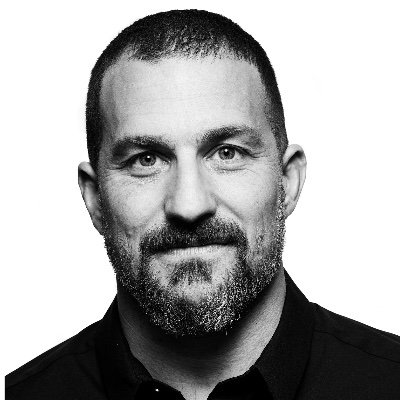
Andrew Huberman
Explain knowledge without overstating the evidence.
- explanation
- knowledge
- focus
- science
- evidence
Image source ↗ · via The Brains
How to use Andrew Huberman’s perspective
- Distinguish mechanisms, hypotheses and demonstrated effects when writing about research.
- Explain technical terms clearly without making a health claim stronger than its evidence.
Our own applications for copy – not quotations and not an endorsement.
Questions to work with
- What do we know, and how do we know it?
- Which conditions or uncertainties does the reader need to understand?
Sources from the original project
- Tim Ferriss Show #660: Huberman's five daily foundations, weekly training split, supplements, and fertility ↗
- Sleep Toolkit: light, temperature, caffeine, supplements and timing tools to optimize sleep ↗
Inherited source references. Read the original before attributing advice to the person. These applications are not quotations or an official collaboration.
Frameworks that pair with this perspective
Copyhackers / established writing models · MessagingPut the argument in the right orderUse AIDA, PAS or Before–After–Bridge as a checklist for the order in which readers need to learn things, once the facts…David Ogilvy / our application · MessagingMake the headline carry the messageDavid Ogilvy held that far more people read the headline than the body copy. So get to know the product and the reader…April Dunford · OfferShow the difference that mattersPositioning as April Dunford describes it: start with what customers would otherwise choose, identify what you can do…
More perspectives in Further reading
Thinkers to test your reasoning against. They add depth, not product evidence.
 Bryan JohnsonMake measurements and personal experiments understandable
 David GogginsResponsibility and action in motivational writing
 SokratesExamine what a claim really means
 ThePrimeagenMake technical reasoning clear and testable